On demand · For yoga teachers · Pay what you can

Subtle Alignment

A methodology for the philosophy-informed yoga teacher. Reclaim the full depth of what yoga offers: not just stress relief, but liberation.

4-hour workshop · 8 core themes · start any time

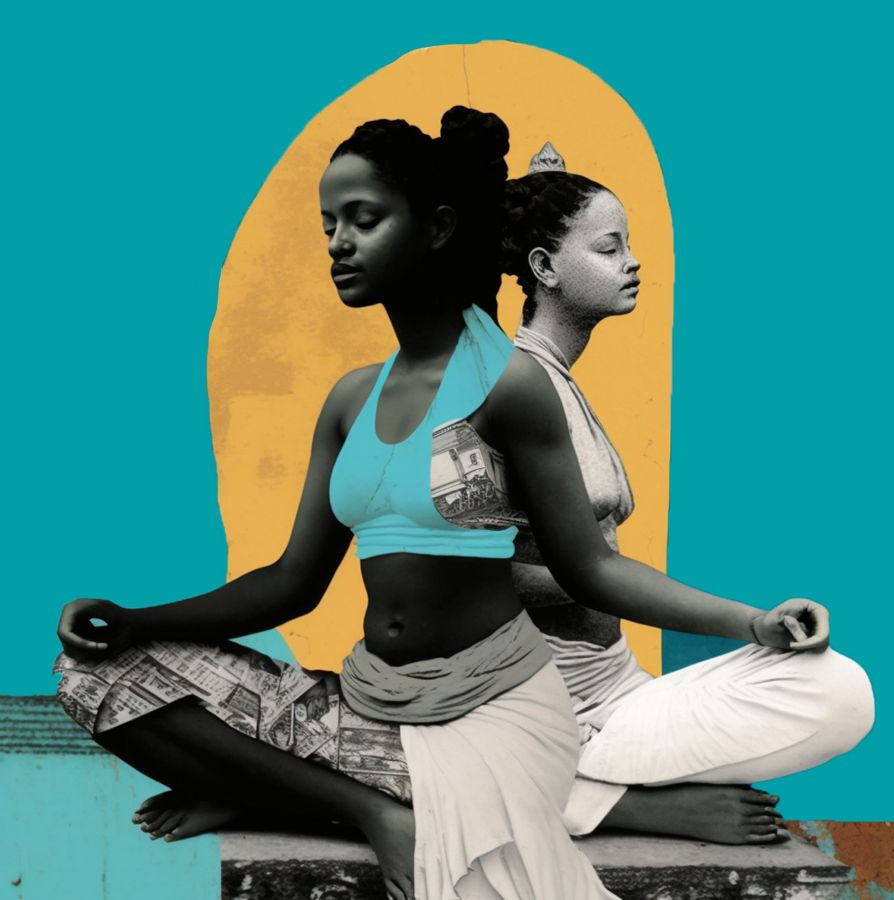
A collage of a yogi in a seated pose framed by a golden circle
8
Themes for teaching with depth

Yoga teaching methodologies have evolved to prioritize inclusivity, safety and responsiveness to students’ lived experience, bringing important awareness to contemporary classrooms. Yet many of these approaches have also narrowed the vision of yoga, reducing it to a secular practice of emotional healing, identity affirmation or social virtue.

In the process, yoga’s guiding intention as a path of liberation (mokṣa), freedom from conditioned identity, egoic contraction and existential suffering, has often been sidelined. Many pedagogies teach us to manage symptoms, but not to inquire into the roots of perception or the nature of Self.

Subtle Liberation-Based Teaching (SLBT) integrates inclusivity, discernment and depth without compromising yoga’s highest purpose. It invites teachers into a refined relationship with language, alignment, presence and inner freedom: what we call subtle alignment. This workshop is a portion of Embodied Philosophy’s yoga teacher training, available on its own.

Your method is your message.

What you’ll learn

Teach with depth, clarity and subtlety

See the limits

Recognize how contemporary teaching trends can unconsciously limit yoga’s liberatory potential.

Reframe your classes

Orient around inner freedom rather than identity reinforcement or therapeutic performance.

Refine your cues

Use alignment cues for energetic coherence and self-inquiry, not aesthetic perfection.

Teach philosophy as experience

Translate key teachings into direct experience through sequencing, language and presence.

Hold space wisely

Develop consent, support and relational teaching without scripts, and hold emotional intensity without turning practice into therapy.

Embody mokṣa

Make liberation the felt orientation of your teaching, not just an idea.

What we explore

Eight core themes

1
Theme 1

From Spiritual Bypassing to Bypassing Spirit

How teaching can fall into extremes: avoiding hard truths under “love and light,” or becoming so psychological or biomechanical that the sacred is edited out. A balanced methodology honors depth without dogma.

2
Theme 2

The Powers & Pitfalls of a “Trauma-Informed” Approach

Sensitivity to trauma is vital, but a standardized framework can reduce students to diagnostic categories. How to be trauma-respectful: grounded in presence, discernment and nuance.

3
Theme 3

Philosophy in Class without Preaching

Weave philosophy into class as a living inquiry, through metaphor, story, language and timing, so the teachings are felt rather than merely heard.

4
Theme 4

From “Authentic Yoga” to Subtle Alignment

Rather than a romanticized, singular “authentic” yoga, subtle alignment in body, breath, intention and relationship offers a more generative model that honors multiplicity and context.

5
Theme 5

A Deeper Kind of Alignment

Clear, effective, inclusive cues that honor both anatomical function and inner experience; aesthetic versus functional alignment; adjustments that empower rather than correct.

6
Theme 6

Observational Intelligence & Adaptive Teaching

Teaching begins with seeing. Read the room, observe diverse bodies in motion, and respond with options that center student agency and awareness.

7
Theme 7

The Power of Language

From minimalist directive cueing to poetic, metaphorical guidance: language that lands, resonates and supports embodiment.

8
Theme 8

Presence & Pedagogical Flow

The subtle artistry of holding space: timing, tone and relational presence. Teaching becomes a meditation in motion.

The method behind the magic

The more insidious appropriation is what we remove

Teaching yoga is far more than guiding bodies through shapes or delivering polished instructions. It is a subtle art that draws on philosophical insight, somatic intelligence, intuitive observation and refined language, in service of the awakening of awareness.

We also offer a reframing of a common critique of modern postural yoga: cultural appropriation. The more insidious form of appropriation is not what one wears or says from another culture, but what one removes: the erasure of yoga’s liberative spirituality. When yoga is stripped of its soteriological depth and reduced to fitness, performance or emotional self-help, it is no longer a living tradition but a borrowed aesthetic.

Whether you’re a new teacher or a seasoned educator, this workshop is an invitation to remember that when your methodology is aligned with yoga’s deeper truths, every class becomes a site of remembrance, inquiry and awakening.

Teach not only to soothe and pacify, but to liberate.
Your teacher
Jacob Kyle

Jacob Kyle

Founding Director, Embodied Philosophy

Meditation teacher, writer, philosophy educator, and Founding Director of Embodied Philosophy. His guiding mission is to re-imagine the modern role of the yoga teacher in alignment with the teachings, texts and traditions of yoga’s profound history.

Jacob is a doctoral candidate at the University of Oxford, researching Pratyabhijñā philosophy with Diwakar Acharya and Monima Chadha. He holds an MPhil in Classical Indian Religions from Oxford, an MA in Philosophy from the New School for Social Research, and an MSc in Political Theory from the London School of Economics. He received dīkṣā into a Tantric form of meditation in 2015, studies with Kashmir Śaivism scholar-practitioner Paul Muller-Ortega, and is a devoted practitioner of the Śaiva-Śākta darśana.

What’s included

Everything, at any offering

  • 4-hour lecture and seminar with Jacob Kyle
  • Eight core themes of Subtle Liberation-Based Teaching
  • Part of Embodied Philosophy’s yoga teacher training
  • Lifetime access, at your own pace
Pay what you can

Choose the offering that fits your life

A workshop like this would usually be priced at $249. We offer it by donation so that anyone who wants to study these teachings can. If you’re in a more fluid financial position, you help subsidize those who aren’t. No one is turned away for lack of funds.

Supporter

$147

Covers your place and helps fund a scholarship for someone who needs it.

Accessible

Any

Pay what you can, from $1. Your participation is the offering.

Enroll — choose your amount

You’ll enter your amount at checkout. Every offering receives the full workshop.

Refund requests within 30 days are fully honored.

Questions

Is this only for yoga teachers?

It’s written for yoga teachers, educators and facilitators, but any serious practitioner interested in how yoga is taught, and what it is for, will get a great deal from it.

How does the on-demand format work?

You get immediate access to the full recorded workshop. Watch at your own pace; access does not expire.

How does “pay what you can” work?

Choose the amount that fits your situation at checkout. The tiers are a guide: larger offerings help fund scholarships, and no one is turned away for lack of funds. Everyone receives the same course.

What happens after I register?

You’ll receive an email right away with your access details. If anything goes wrong, reply to that email and our team will help.

What if it isn’t right for me?

Refund requests made within 30 days of purchase are fully honored. Write to hello@embodiedphilosophy.com and we’ll issue your refund within 5 business days.

mokṣa

Teach not only to soothe, but to liberate.

A half-day workshop on subtle alignment.

Enroll — pay what you can

Want to keep going? Wisdom School Plus opens our full library of learning pathways and certificate programs.