Pay what you can

Meditation Resolution 2027

A New Year Symposium on Saṃyama

Five guided meditations on the three inner limbs of yoga, dhāraṇā, dhyāna and samādhi. Five lectures on how the world’s traditions have practised them. One point to return to, all year.

  • January 1–5, 2027
  • 5 meditations · 5 lectures
  • Live on Zoom, with replays
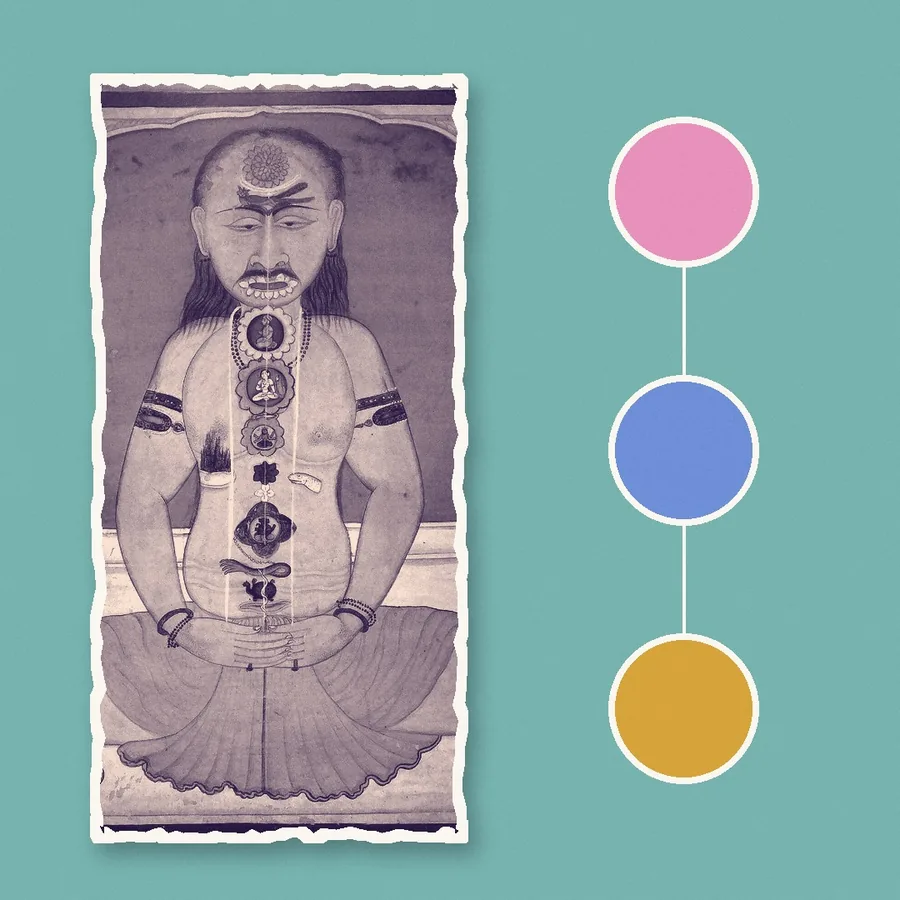
A gold-leaf meditator with a bindu at the crown, inside concentric rings
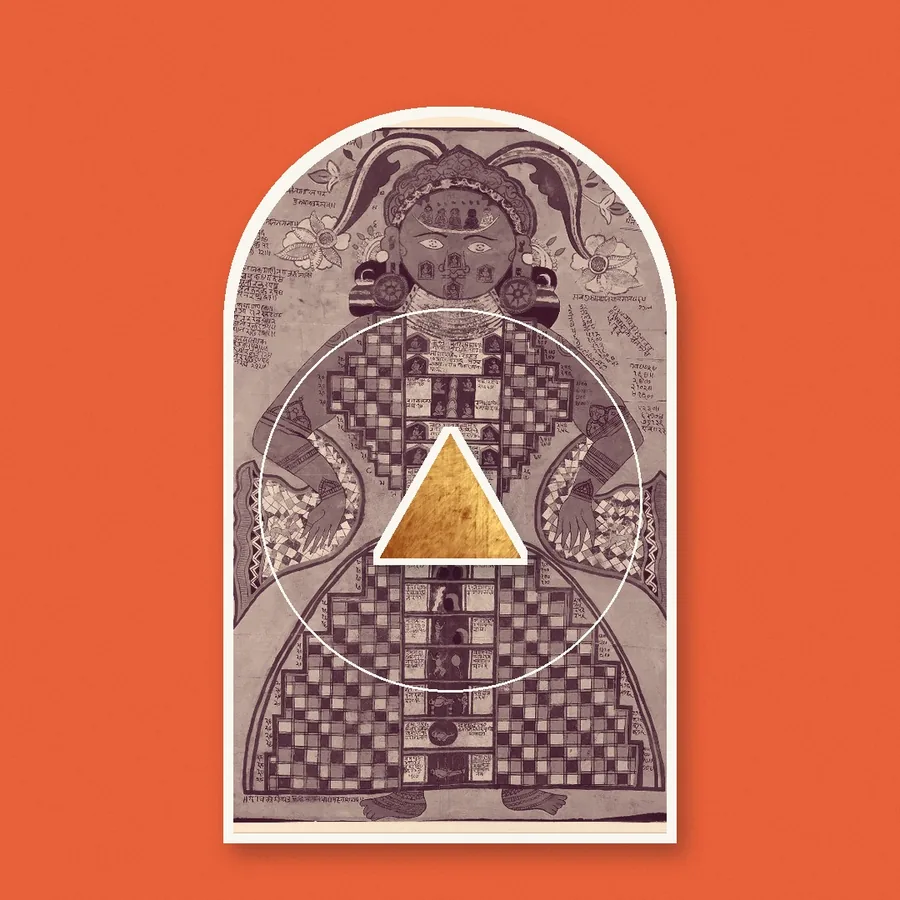
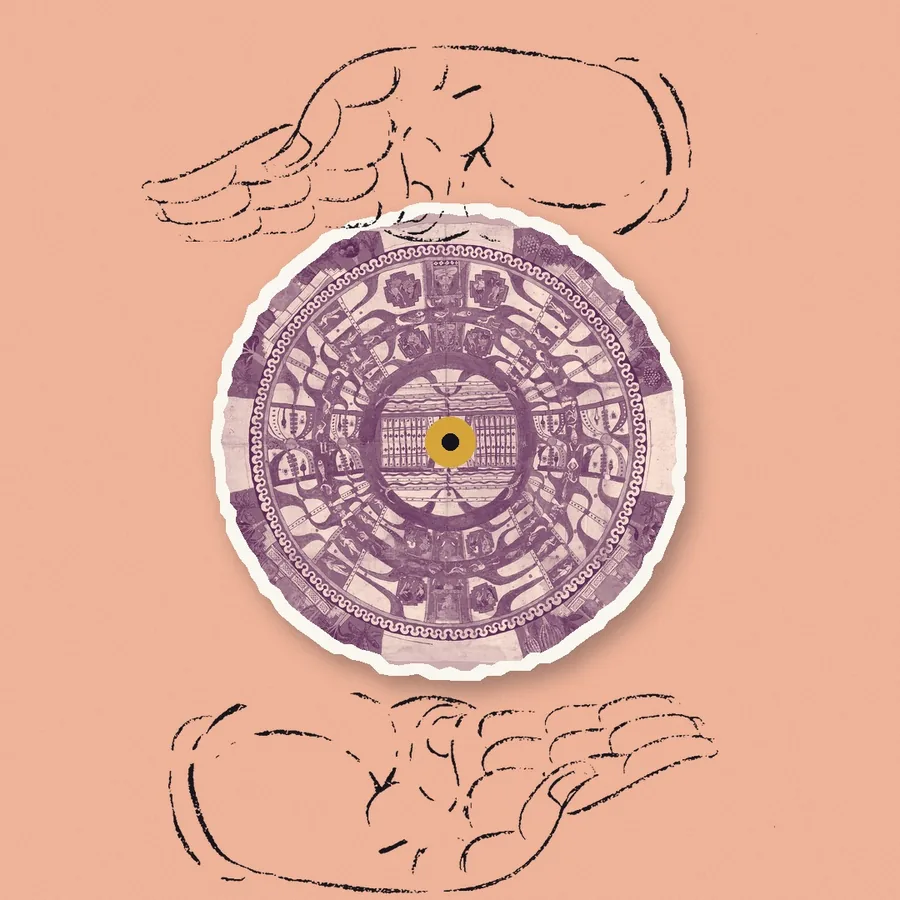
A collage of a seated yogi inside an arch, with a gold triangle at the heart

Begin the new year with attention.

Each January, Embodied Philosophy opens the year with Meditation Resolution. We’ve sat with the five elements, the five kleśas and the five kośas. This year we go to the heart of meditation itself.

Most resolutions fail for the same reason most meditation sessions feel like failures: the mind wanders. The yoga tradition doesn’t treat that as a problem to fix before practice begins. Wandering, and returning, is the practice. The third chapter of the Yoga Sūtra describes where the returning leads, and the symposium asks how other traditions have mapped the same road.

The five days

A meditation and a lecture, every day.

  1. 1

    Fri Jan 1 · Dhāraṇā

    Meditation

    Binding attention to a place

    deśabandhaś cittasya dhāraṇā Yoga Sūtra 3.1

    Patañjali’s definition is spatial: dhāraṇā is “binding the mind to a place.” The commentary names the places: the navel, the lotus of the heart, the light in the head, the tip of the nose, or an outer object. We choose one, and practise the simplest act in meditation, which is coming back.

    Lecture · Classical Yoga

    Patañjali’s map of the mind

    What the Yoga Sūtra means by the mind (citta) and its fluctuations, why it puts the three inner limbs last of eight, and what it thinks meditation is for.

  2. 2

    Sat Jan 2 · Dhyāna

    Meditation

    The unbroken stream

    tatra pratyayaikatānatā dhyānam Yoga Sūtra 3.2

    When returning stops being effort, dhāraṇā becomes dhyāna: “a single, continuous extension of awareness there.” The commentary describes a stream of like moments of awareness that no other kind of thought breaks into.

    Lecture · Buddhist traditions

    Calm and insight

    Śamatha and vipaśyanā, and the four jhānas (jhāna is the Pali form of dhyāna). How Buddhist meditation shares Patañjali’s vocabulary, and where it disagrees about what meditation reveals.

  3. 3

    Sun Jan 3 · Samādhi

    Meditation

    Only the object shines

    tad evārthamātranirbhāsaṃ svarūpaśūnyam iva samādhiḥ Yoga Sūtra 3.3

    Samādhi is “that same meditation, when only the object shines forth, as if empty of its own form.” The sense of doing the meditation drops away. We look at what the “as if” (iva) is doing, and why the tradition never says the self simply vanishes.

    Lecture · Christian contemplation

    Prayer without images

    From the Desert Fathers to The Cloud of Unknowing: contemplative prayer as a letting go of thoughts and images, read alongside samādhi “as if empty of its own form.”

  4. 4

    Mon Jan 4 · Saṃyama

    Meditation

    The three held as one

    trayam ekatra saṃyamaḥ · tajjayāt prajñālokaḥ Yoga Sūtra 3.4–5

    “The three on a single object is saṃyama,” literally a “holding together.” Mastering it, Patañjali says, brings the light of insight (prajñāloka). We practise the three as one movement.

    Lecture · Meditation and the modern mind

    Attention, then and now

    What today’s research on attention and mind-wandering can and can’t tell us about saṃyama. An opening to Wisdom School’s 2027 theme, The Attention Project.

  5. 5

    Tue Jan 5 · Recognition

    Meditation

    The supreme meditation

    yogena yogo jñātavyaḥ Yoga Bhāṣya on 3.6

    We close with a dhāraṇā from the Vijñāna Bhairava, practised as recognition rather than effort, and with the commentary’s advice for the year ahead: “yoga is known through yoga.”

    Lecture · Kashmir Śaivism

    Meditation as recognition

    How Abhinavagupta and Kṣemarāja reread the limbs of yoga, and why the Pratyabhijñā tradition treats the goal of meditation as something recognized, not produced.

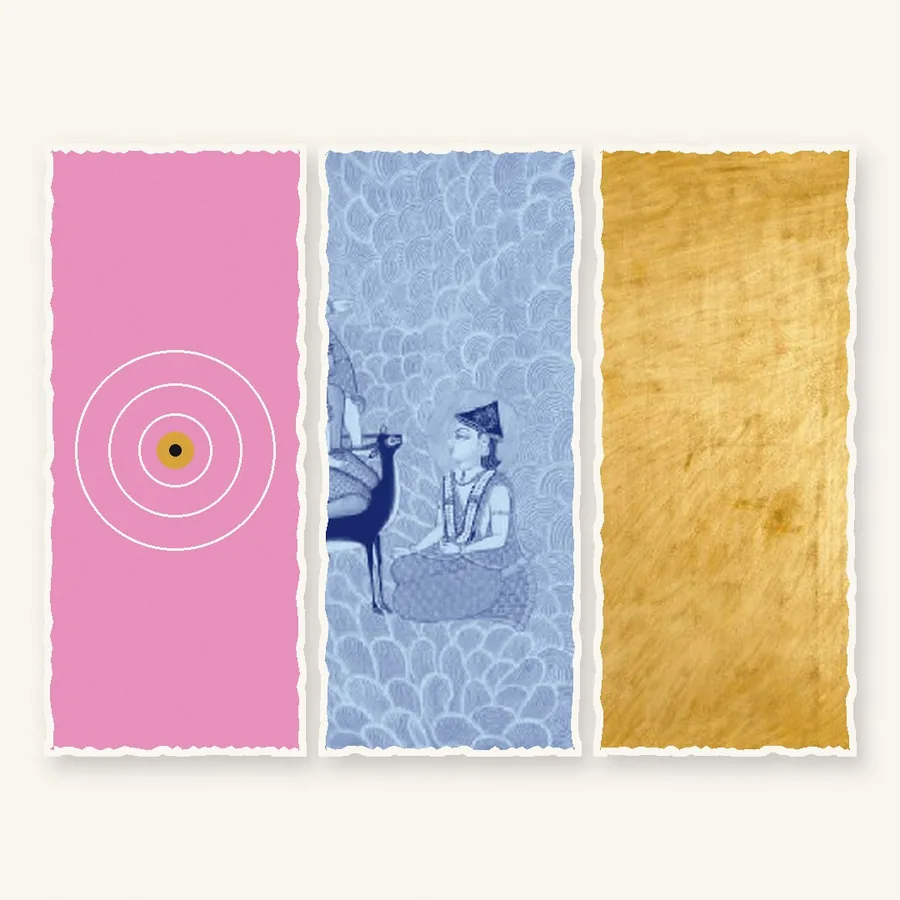
Three collage panels: a target on pink, a seated sage on blue, and gold leaf
DhāraṇāconcentrationDhyānameditationSamādhiabsorption

Three limbs. One practice.

Dhāraṇā comes from √dhṛ, to hold. Dhyāna from √dhyai, to contemplate. Samādhi is a “placing together,” and saṃyama a “holding together.” Concentration that deepens becomes meditation; meditation that deepens becomes absorption.

Patañjali calls these the inner limbs, then says that even they are outer compared with seedless (nirbīja) samādhi (Yoga Sūtra 3.8). In Kashmir, Kṣemarāja rewrote each limb as a mode of recognition: samādhi is not something you build but something you recognize. Read more in Tarka →

Your teachers

Five teachers, five traditions.

The symposium is led by Embodied Philosophy faculty, each bringing a lineage and a way of sitting. More teachers may be announced.

Nataraj Chaitanya

Nataraj Chaitanya

Faculty, Wisdom School & Sādhana School

Has led retreats, kīrtans and teacher trainings for more than twenty years. A formal initiate and custodian of the meditation tradition of Bhagavan Nityananda of Ganeshpuri; based in Melbourne.
Tova Olsson

Tova Olsson

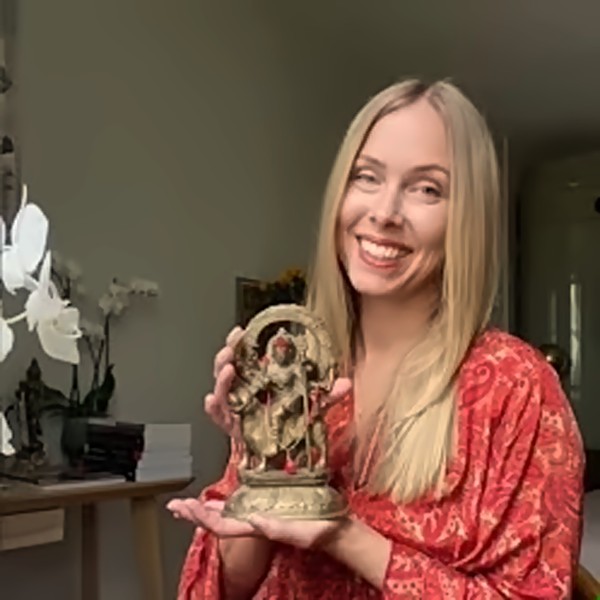
Founder, Saraswati Studies

Scholar of religion, author and yoga teacher with over twenty years in education. Author of Yoga and Tantra: History, Philosophy and Mythology, and co-teacher of our Navarātri immersion in the Devī Gītā.
Floss Harry

Floss Harry

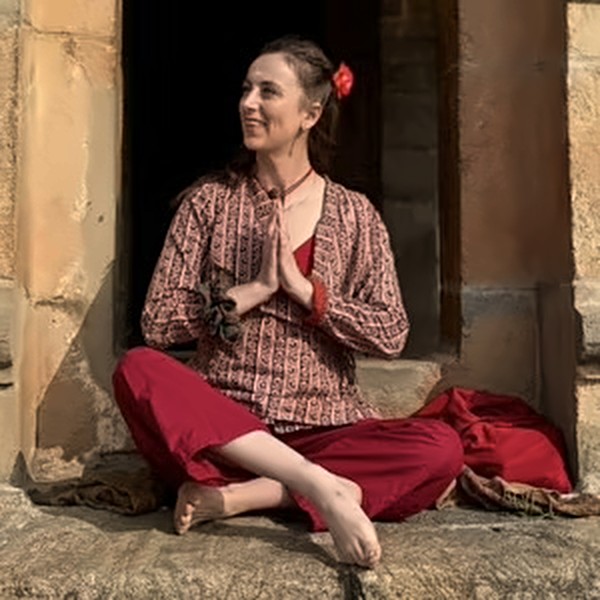
Faculty, Meditation Mondays

Yoga teacher and embodied philosophy facilitator (MPhil, Cambridge) who approaches philosophy as lived practice, drawing on the wisdom traditions of East and West. Leads the Somatic stream of Meditation Mondays.

Oneika Mays

Oneika Mays

Faculty, Meditation Mondays

Leads the Metta stream of Meditation Mondays: loving-kindness practice that widens care from yourself outward, one breath at a time.

Dr. Abha Rajbhandari

Dr. Abha Rajbhandari

Faculty, Meditation Mondays

Leads the Neuroscience & Yoga stream of Meditation Mondays, teaching what attention, breath and stillness do in the nervous system, and how to use them.

The source

Six sūtras that hold the whole practice.

  1. YS 3.1

    deśabandhaś cittasya dhāraṇā

    Dhāraṇā is binding the mind to a place.

  2. YS 3.2

    tatra pratyayaikatānatā dhyānam

    Dhyāna is the unbroken extension of awareness there.

  3. YS 3.3

    tad evārthamātranirbhāsaṃ svarūpaśūnyam iva samādhiḥ

    Samādhi is that same meditation, when only the object shines forth, as if empty of its own form.

  4. YS 3.4

    trayam ekatra saṃyamaḥ

    The three on a single object is saṃyama.

  5. YS 3.5

    tajjayāt prajñālokaḥ

    From mastering it comes the light of insight.

  6. YS 3.6

    tasya bhūmiṣu viniyogaḥ

    It is applied in stages.

Translations by Embodied Philosophy.

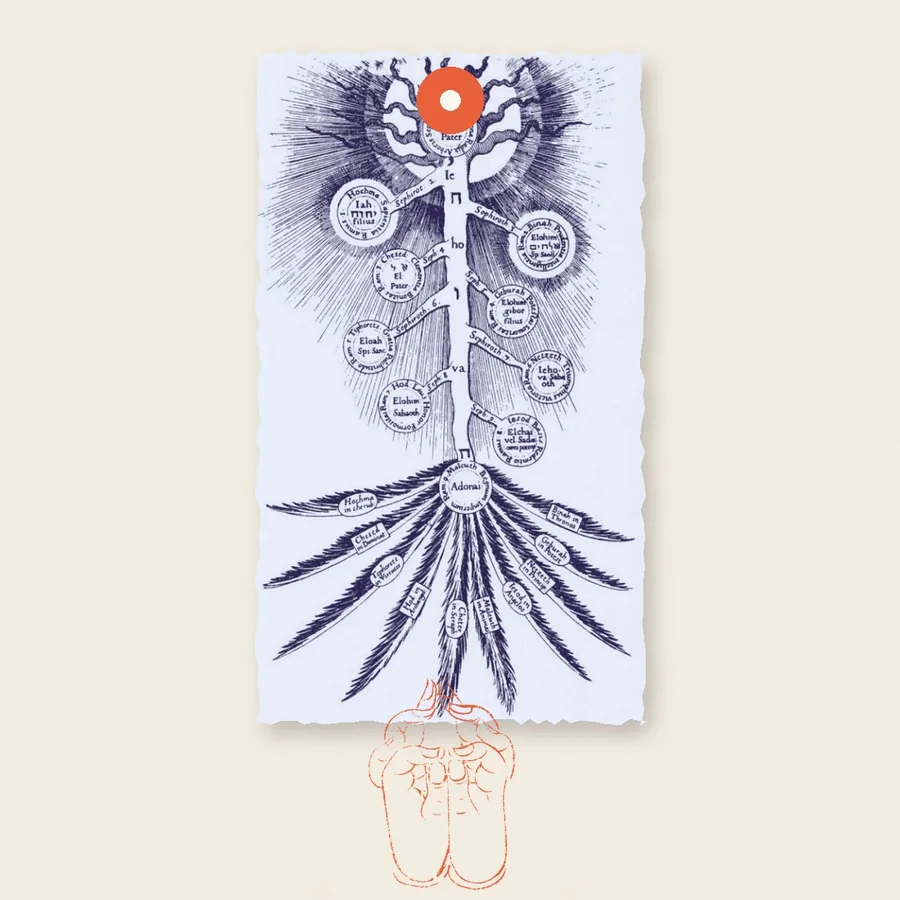
A collage of a tree of the subtle body rooted in two hands
Yoga is known through yoga. Yoga arises from yoga. Whoever is attentive in yoga delights in yoga for a long time.Yoga Bhāṣya on Yoga Sūtra 3.6
Pay what you can

No one is kept out by price.

A set price keeps out exactly the people a new-year practice is for. So we ask everyone to give what’s true for them, and trust that it balances out. Every teacher who leads a session is paid for their time.

Scholarship seat

$108

Covers your place and helps fund a scholarship seat in Sādhana School.

Sharing

$54

Covers your place and helps cover someone else’s.

Suggested

Your place

$27

Covers your own place and pays the teachers for their time.

Whatever you can

Any

Including nothing. If you can’t give this year, please come anyway.

Save your place — choose your amount

Choose your amount when you register. Everyone receives all ten sessions.

Questions

Do I need experience with meditation?

None. The meditations are guided from the beginning and build on one another, and every Sanskrit term in the lectures is translated and explained. Long-time practitioners will find plenty to go deeper with.

Do I have to come to both sessions each day?

No. Come to whichever you can. Many people sit the meditation live and watch the lecture later. Every session is recorded, and the replays stay in your dashboard.

When are the sessions?

Daily from Friday, January 1 to Tuesday, January 5, 2027, live on Zoom. The times, and how to join, come in your confirmation email.

How does “pay what you can” work?

You choose your amount when you register, and it can be nothing. The suggestions are a guide: $27 covers your own place, and anything above that helps someone else take part. Everyone receives all ten sessions.

Why a symposium?

The Greek symposion meant “drinking together.” Ours is a gathering to sit and think together: a practice each morning of the new year, and a conversation across the traditions that have mapped the same inner territory.

What if it isn’t right for me?

If you gave a contribution and want it back, write to hello@embodiedphilosophy.com within 30 days and we’ll refund it within 5 business days.

trayam ekatra saṃyamaḥ

Three limbs. One point. A whole year.

Save your place